Clynce Support
Online
Clynce Support
What Local Climate Patterns and Allergy Research Reveal About Indoor Air Quality, Dust, and the Value of a Thorough Clean During Spring
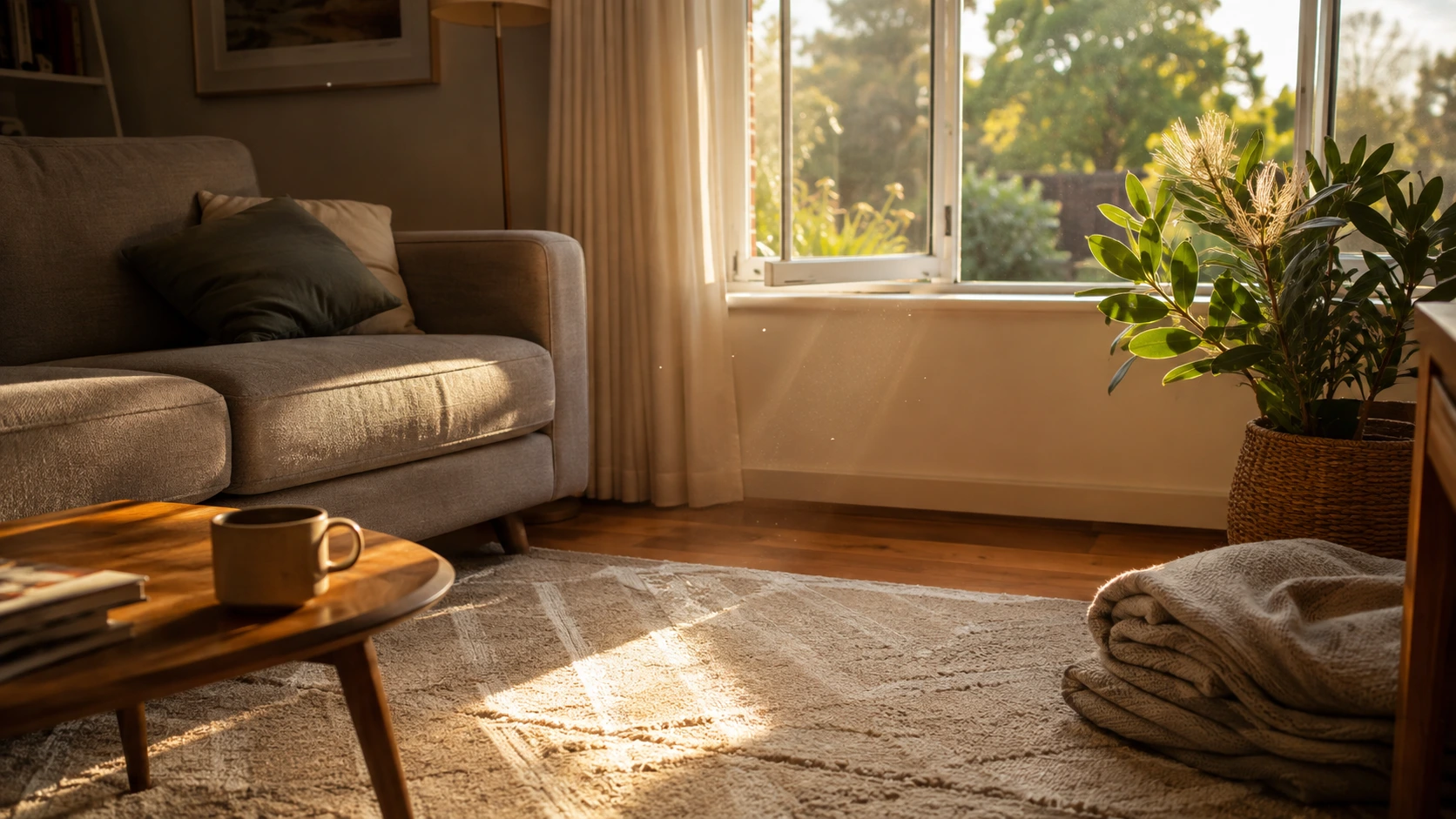
Every spring, roughly the same pattern repeats across Perth households: windows open for the first warm days, and not long after, the sneezing starts indoors as much as out. It's easy to assume hay fever season is purely an outdoor problem — something to manage with antihistamines and closed car windows — but a meaningful share of what triggers symptoms indoors comes from what's settled inside the home itself.
For anyone who deals with seasonal allergies, the question "does a proper clean actually help" is a fair, practical one, not just a nice-to-have. Here's what the research on indoor allergens and Perth's pollen season actually suggests.
The Short Answer Yes, a thorough clean genuinely helps during pollen season. Pollen, dust mite matter, and pet dander accumulate indoors and get stirred back into the air with everyday movement, so reducing that buildup measurably lowers one of the main indoor allergy triggers. It isn't a substitute for medical treatment of hay fever, but it addresses a real, controllable part of the problem that's easy to overlook. |
Why Perth's Pollen Season Makes This Worse Indoors
Perth's spring, roughly September to November, brings a rise in airborne pollen — and it doesn't stay outside for long. Every opened window, and every person or pet coming in from outdoors, brings pollen inside on clothing, hair, and paws, where it settles into carpets, soft furnishings, and household dust that then gets stirred back up with everyday movement.
● Open windows for spring airflow: a natural response to warmer weather, but also a direct entry point for airborne pollen.
● Carpets and soft furnishings act as reservoirs: pollen and dust mite matter settle deep into fibres rather than staying on the surface.
● Pets tracking pollen indoors: fur and paws carry allergens in from outside far more than most people account for.
● Reduced air circulation compared to outdoors: means settled allergens can become more concentrated indoors than the equivalent outdoor exposure over the same time.
🔬 Research Research on indoor allergens, including studies referenced by allergy and respiratory health organisations, consistently identifies dust mite matter, pollen, and pet dander as primary indoor triggers for seasonal allergy symptoms — and finds that regular vacuuming with a HEPA-filtered vacuum, alongside washing soft furnishings, measurably reduces the concentration of these allergens in carpeted and upholstered areas. |
Weeks, Not Days How long pollen and dust mite allergens can persist in carpet and upholstery fibres without being properly disturbed and removed — well beyond what a quick surface tidy addresses. |
What Actually Helps During Pollen Season (Beyond a Normal Tidy)
● HEPA-filtered vacuuming of carpets and soft furnishings: traps fine particles rather than recirculating them back into the air.
● Washing or professionally cleaning curtains and soft furnishings: these accumulate settled pollen just as much as carpets do, and are often overlooked.
● Damp-dusting hard surfaces rather than dry-dusting: dry dusting tends to lift particles into the air rather than actually removing them.
● Regular, slightly more frequent cleaning through peak pollen months: a heavier one-off clean matters less than consistent removal during the weeks allergens are actively accumulating.
✅ Good to Know Timing a more thorough clean at the start of pollen season, rather than partway through, tends to make the rest of spring noticeably more manageable for anyone sensitive to indoor allergens. |
⚠️ Watch Out Dry dusting and sweeping without proper filtration can temporarily make symptoms worse before they get better, since it lifts settled particles back into the air rather than capturing them — worth keeping in mind if timing a clean around a particularly bad symptom day. |
Standard Clean vs. Allergy-Focused Clean During Pollen Season
Factor | Standard Clean | Allergy-Focused Clean |
Vacuuming | Surface pass, standard vacuum | HEPA-filtered, including upholstery and edges |
Dusting | Dry dusting | Damp dusting to capture rather than lift particles |
Soft furnishings | Often skipped | Curtains and cushions specifically addressed |
Frequency during spring | Same as usual | Slightly more frequent through peak weeks |
Common Questions About Cleaning During Pollen Season
Does professional cleaning replace hay fever medication?
No — it complements rather than replaces treatment. It's still worth speaking with a GP or pharmacist about symptom management alongside a thorough clean.
Which rooms matter most during pollen season?
Bedrooms in particular, given the time spent there and how much dust mite matter tends to concentrate in bedding and soft furnishings.
Does keeping windows closed help more than cleaning?
Both matter. Keeping windows closed on high pollen count days combined with regular, allergy-focused cleaning is a more complete approach than relying on either alone.
Is it worth checking the daily pollen count in Perth before deciding when to clean?
Yes — timing tasks like vacuuming or changing bedding on lower pollen count days can reduce the amount of fresh pollen stirred up during the clean itself.
Getting Ahead of Pollen Season
☐ Schedule a more thorough clean at the start of spring, not partway through
☐ Prioritise HEPA-filtered vacuuming of carpets, rugs, and upholstery
☐ Wash or professionally clean curtains and other soft furnishings
☐ Keep windows closed on high pollen count days where practical
☐ Maintain a slightly more frequent cleaning schedule through peak weeks
None of this needs to be complicated — the goal is simply reducing what's accumulating indoors during the weeks it matters most, rather than treating pollen season as purely an outdoor problem.
On Cleynce, you can message a business directly about allergy-specific requests, like HEPA vacuuming or soft furnishing attention, before booking, so a clean can be genuinely tailored to what pollen season actually requires, not just a standard pass.
Written by
Unika Subedi
Trust and Safety · 8/31/2026
Everything You Need to Know Before You Book — From Spotting Red Flags to Comparing Quotes to Getting the Results You're Actually Paying For
Unika
Trust and Safety · 8/23/2026
What Service Research Actually Says About Consistency, Why a Familiar Cleaner Often Does a Genuinely Better Job Over Time, and the Honest Trade-Offs Worth Knowing Before You Ask
Unika Subedi
Trust and Safety
Share your cleaning requirement in minutes, compare verified providers near you, and pay only for the service you choose.
Fast onboarding
Sign up, set preferences, and start in minutes.
Built for Growth
Whether it's a single booking or multiple sites, manage cleaning requests with ease.
It's Not the Answer Most People Expect — Why the Word "Green" on a Label Tells You Almost Nothing on Its Own, and the One Detail That Actually Predicts Cleaner Indoor Air
Unika