Clynce Support
Online
Clynce Support
A Research-Backed Look at the Genuine Link Between a Tidy, Clean Home and Reduced Stress, Beyond the Popular Wellness Claims

"A clean home is a calm mind" has become something close to a wellness cliché, printed on tea towels and repeated in lifestyle articles without much scrutiny. That repetition doesn't automatically make it true, but it also doesn't make it false — and the actual psychological research on the relationship between household cleanliness and mental wellbeing is more specific, and more interesting, than the slogan version suggests.
The honest answer sits somewhere between "it's everything" and "it's nothing" — a cleaner home doesn't fix underlying mental health difficulties, but there's a genuine, measurable relationship between a home's physical state and how people report feeling in it, distinct from wishful thinking.
Here's what the research actually supports, where it's more nuanced than popular wellness content suggests, and what that means practically for a Perth household.
The Genuine Link Between Environment and Stress
Environmental psychology, the field studying how physical spaces affect behaviour and wellbeing, has repeatedly examined the relationship between household clutter, cleanliness, and stress. A frequently cited line of research out of UCLA's Center on Everyday Lives of Families found that mothers living in homes they described as cluttered showed elevated levels of cortisol, a hormone associated with stress, over the course of a day, compared with those in homes they described as more orderly.
🔬 Research Beyond that specific study, broader environmental psychology research consistently associates visual clutter and disorder with increased cognitive load — the mental effort required to process a busy, unresolved visual environment — and finds that this load can subtly affect mood, focus, and perceived control, even when a person isn't consciously thinking about the mess itself. |
Cognitive Load Is Real A cluttered, visually unresolved space measurably increases the mental effort required to process a room, according to environmental psychology research — a load that can subtly affect mood and focus even when the mess itself isn't top of mind. |
What the Research Doesn't Support
It's worth being equally clear about the limits of this relationship. A clean home is not shown to treat or resolve clinical mental health conditions, and the research doesn't suggest that cleanliness alone determines someone's overall wellbeing. The relationship is genuine but modest — one contributing factor among many, not a substitute for addressing underlying stressors or seeking appropriate support when needed.
Why the Relationship Likely Exists
● A sense of control: an orderly environment is one of the more directly controllable aspects of daily life, and a sense of control is itself linked to lower stress in psychological research more broadly.
● Reduced cognitive load: fewer visual "unfinished tasks" competing for attention may free up mental bandwidth for other things.
● The completion effect: finishing a task, even a small one like tidying a room, has a modest, well-documented positive effect on mood in behavioural research.
● Avoiding the compounding effect of visible mess: an untidy space can serve as a constant, low-level reminder of an unfinished task, which research on unresolved tasks, sometimes discussed under the Zeigarnik effect, suggests can occupy background mental attention.
Where Outsourcing Cleaning Specifically Fits In
Separate research on time use and happiness has examined "time affluence," the subjective sense of having enough time, as a genuine contributor to wellbeing, sometimes more strongly than additional income beyond a certain point. Outsourcing a dreaded or time-consuming task, like a thorough clean, is one of the more consistently studied strategies associated with increased time affluence and, in turn, modestly improved reported wellbeing, particularly for people who find the task itself unpleasant or draining rather than relaxing.
✅ Good to Know For people who genuinely find cleaning enjoyable or meditative, the wellbeing benefit may come from doing it themselves rather than outsourcing it — the psychological research supports the environment-mood link generally, not a one-size-fits-all answer about who should be doing the cleaning. |
⚠️ Watch Out Using a cleaner home as the sole strategy for managing significant stress or anxiety isn't supported by the research and can delay seeking more appropriate support. A tidy environment is a modest contributing factor, not a treatment. |
What the Research Does and Doesn't Support
Claim | Supported by Research | Not Supported by Research |
Clutter is linked to elevated stress indicators | Yes, in multiple studies | — |
A tidy home reduces cognitive load | Yes, generally supported | — |
Cleaning alone treats anxiety or depression | — | No, not supported |
Outsourcing time-consuming tasks can modestly improve wellbeing | Yes, via time affluence research | — |
Everyone experiences the same benefit from a tidy space | — | No, individual variation is significant |
Common Questions About Cleanliness and Wellbeing
Does this mean a messy home causes mental health problems?
No — the research shows a correlation with stress indicators, not that mess causes clinical conditions. The relationship is modest and one factor among many.
Is decluttering or cleaning more important for the psychological benefit?
Both appear to contribute, though clutter and visual disorder are the more specifically studied factor in the cognitive load research.
Does professional cleaning provide the same psychological benefit as doing it yourself?
For people who find cleaning stressful or time-consuming rather than enjoyable, outsourcing appears to support the time affluence benefit more directly than DIY effort would.
Is there a risk of becoming overly focused on tidiness for wellbeing reasons?
Yes, in principle — like most wellness strategies, moderation matters, and using tidiness as one tool among several tends to be healthier than treating it as the primary coping mechanism.
Applying This Practically
☐ Recognise a tidy environment as one modest, genuine contributor to wellbeing, not a cure-all
☐ Consider whether cleaning itself feels relaxing or draining to you personally
☐ If draining, outsourcing may support wellbeing more directly than pushing through it
☐ Don't rely on cleanliness alone to manage significant stress or anxiety
☐ Seek appropriate support for underlying mental health concerns rather than substituting a tidy home for it
Final Thoughts
The relationship between a clean home and mental wellbeing is genuine, but it's more modest and more nuanced than the popular wellness version of the claim suggests. A tidy, orderly space appears to support lower stress and better focus for many people, and outsourcing a task you personally find draining is a reasonable, research-supported way to reclaim some of that benefit, without treating it as a substitute for addressing bigger stressors directly.
If cleaning is one of the tasks weighing on your own sense of time and space, Cleynce makes it straightforward to find a local business and book that time back, whether it's a one-off reset or an ongoing arrangement.
Written by
Unika Subedi

Trust and Safety · 9/18/2026
A Research-Backed Look at What's Actually in Your Home's Air, and How Cleaning Choices Genuinely Affect Dust, VOCs, and Ventilation in Perth Homes
Unika Subedi
Trust and Safety · 9/15/2026
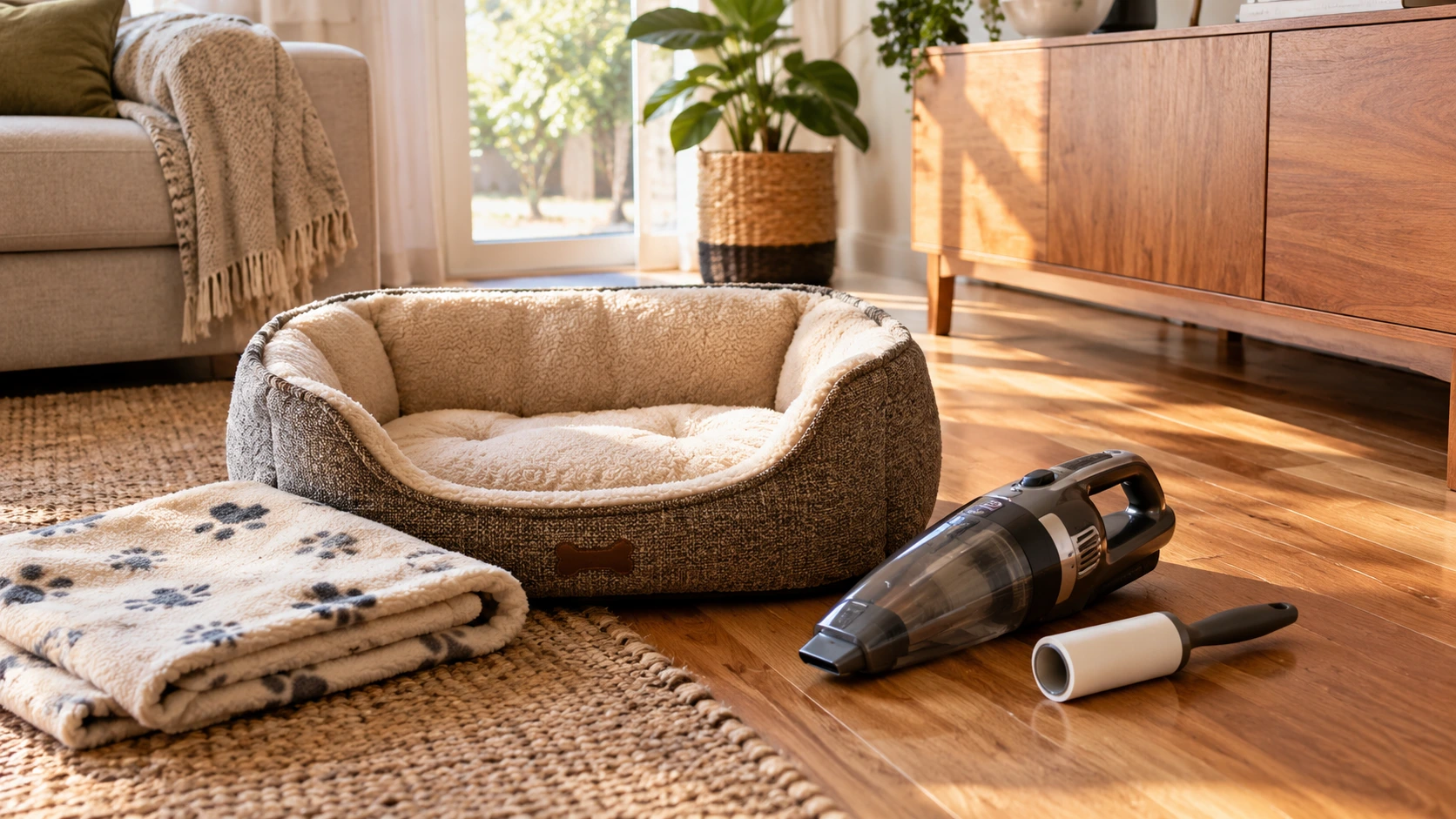
Simple, Practical Habits That Keep a Pet-Owning Home Fresher Between Scheduled Cleaning Visits
Unika Subedi

Trust and Safety · 9/6/2026
Share your cleaning requirement in minutes, compare verified providers near you, and pay only for the service you choose.
Fast onboarding
Sign up, set preferences, and start in minutes.
Built for Growth
Whether it's a single booking or multiple sites, manage cleaning requests with ease.
What's Actually Standard in Perth: Local Industry Practice and Product Safety Research on Whose Products Should Be Used
Unika Subedi