Clynce Support
Online
Clynce Support
What does house cleaning actually cost in Australia in 2026? A clear, no-fluff breakdown of hourly rates, city-by-city pricing, and how to spot a quote that's too good to be true.
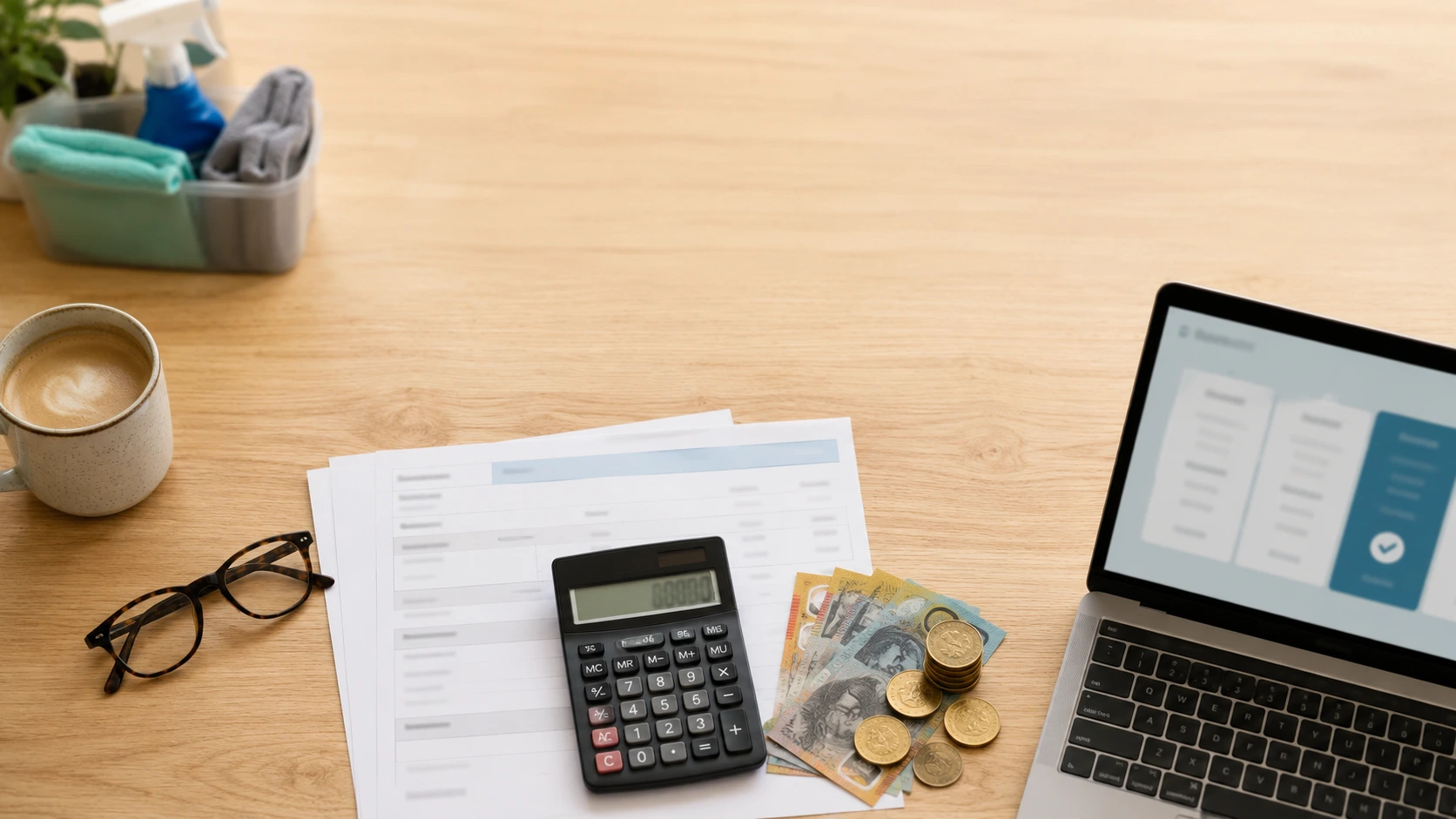
"How much should I be paying for a cleaner?" is one of those questions that sounds simple and turns out to have about six different correct answers, depending on who you ask.
Search it and you'll find one site confidently quoting $35 an hour, another quoting $95, and a Facebook comment thread where someone swears their cousin does it for $25 cash. None of them are necessarily lying — they're just all describing different jobs, in different cities, done by different kinds of cleaners. This guide pulls those numbers together properly, so you can actually tell whether a quote you've received is fair, cheap, or a red flag.
Cleaning isn't a fixed product like a haircut. The final number on a quote depends on the size of the property, how many bathrooms it has, how dirty it currently is, whether the cleaner is an independent operator or part of an insured company, and which city — sometimes even which suburb — you live in.
That's why a single national average, on its own, isn't all that useful. It's a starting point, not something you should hold any individual quote to strictly.
Almost every cleaning quote in Australia is built on one of two models:
Knowing which model you're being quoted under is the first step to comparing two quotes fairly — a $50/hour quote and a $220 flat-rate quote for the same three-bedroom home aren't automatically different prices, they might land in the exact same place once you do the maths.
Pulling together current market data, most Australian house cleaners charge somewhere between $30 and $65 per hour, with the national average sitting around $45 to $50 per hour for a standard residential clean. Independent, self-employed cleaners tend to sit toward the lower end of that range, while registered cleaning companies — who carry insurance, run background checks, and cover training and admin overheads — typically charge $10 to $20 more per hour than an individual operator.
For context on job totals rather than just hourly figures: a standard clean on a one-bedroom apartment generally runs $60 to $90, a full clean on a three-bedroom home tends to land somewhere between $150 and $400 depending on condition and location, and end-of-lease (bond) cleans — which come with more scrutiny and often a re-clean guarantee — typically cost $250 to $700 or more.
Location is one of the biggest single factors in what you'll pay, sometimes shifting the price of an identical job by $30–$50 in a single sitting. Roughly, current hourly rates look like this across the major capitals:
Regional areas usually sit below their nearest capital city, partly because of lower overheads and a higher share of independent operators rather than agencies.
A handful of factors reliably push a quote above the base rate:
Here's the part worth actually paying attention to. In Australia, cleaning employees are covered by the Cleaning Services Award, which sets a legal minimum pay rate. When you see a quote for a full three-bedroom clean priced at $80 or less, it's worth pausing — a price that low is often difficult to reconcile with paying a compliant wage and covering public liability insurance, both of which exist to protect you, the homeowner, if something goes wrong.
This doesn't mean every low quote is dodgy. Independent operators genuinely can charge less than agencies, since they're not covering the same overheads. But an unusually low price with no insurance, no ABN, and no verifiable business behind it isn't really a bargain — it's a quote with the safety net quietly removed. Cheap and uninsured is a very different thing to cheap and legitimate.
Once you've got two or three quotes in front of you, comparing them properly takes a few extra minutes and avoids most pricing surprises:
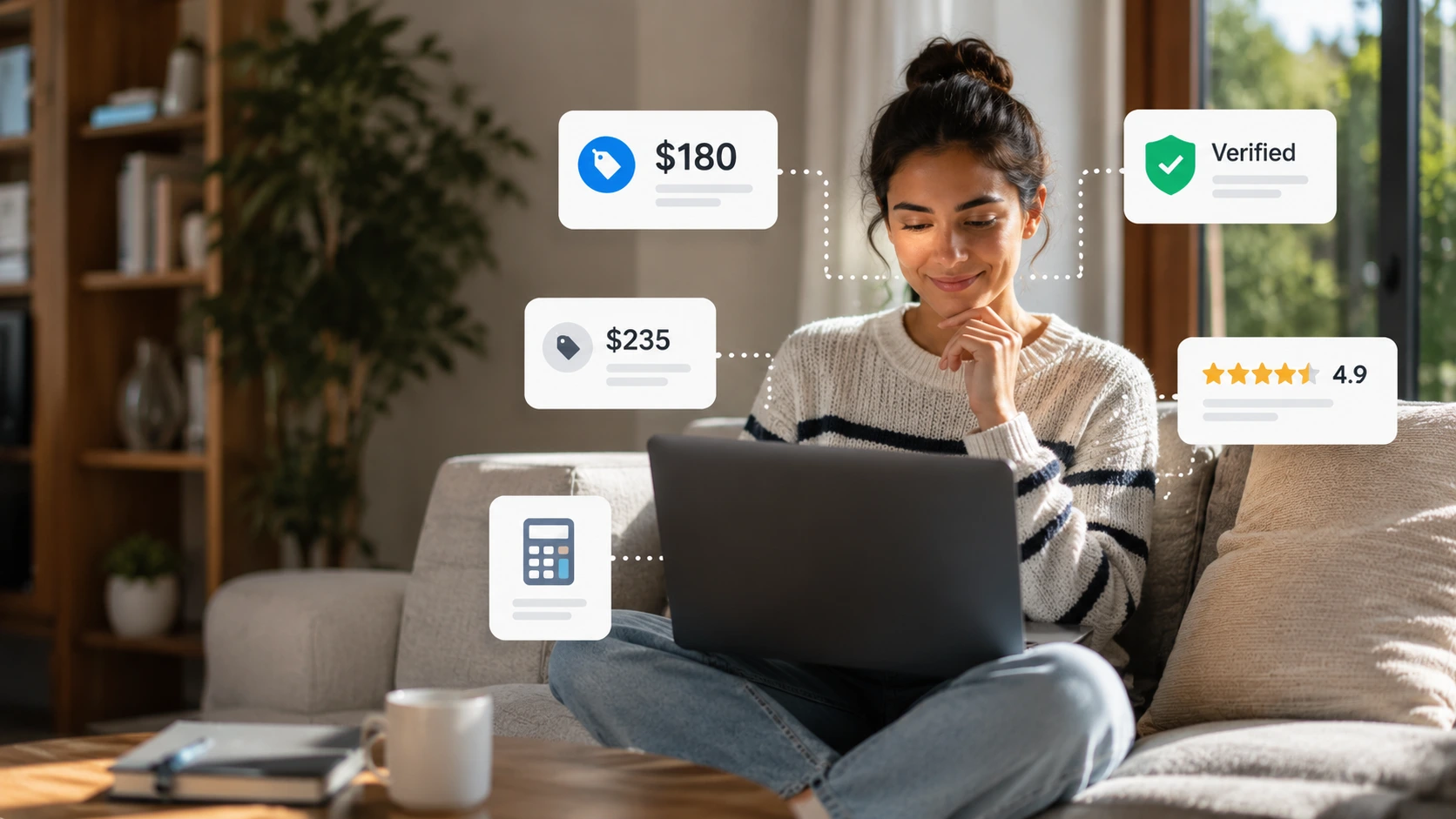
This is genuinely one of the areas where posting a job once and letting a few verified, insured businesses quote against the same brief — rather than chasing separate quotes over the phone — makes the comparison far easier. It's part of what platforms like Cleynce are built around: quotes come back against the same job details, with pricing, verification status, and reviews sitting side by side, so you're comparing apples to apples instead of trying to remember which business said what.
If you just want ballpark numbers to work with:
There's no single "correct" price for a clean — only a reasonable range for the job you're actually asking for. The fastest way to know whether a quote is fair isn't memorising a number; it's comparing it against a couple of others for the same brief, and asking a few direct questions about what's included and who's covering you if something goes wrong. Once you've done that once, spotting a genuinely good quote gets a lot easier the next time around.
Written by
Unika Subedi
Business Growth · 8/18/2026
The Real Cleanliness Standard You're Legally Held To at Final Inspection, the Areas That Cause the Most Disputes, and Why a Professional Cleaning Receipt Is the Strongest Evidence You Can Have
Unika
Business Growth · 8/6/2026
What You'll Actually Pay for a Regular Clean, a Deep Clean, or an End of Lease Clean — Straightforward Pricing, No Guesswork, No Surprise Invoices
Unika Subedi

Business Growth · 7/27/2026
Share your cleaning requirement in minutes, compare verified providers near you, and pay only for the service you choose.
Fast onboarding
Sign up, set preferences, and start in minutes.
Built for Growth
Whether it's a single booking or multiple sites, manage cleaning requests with ease.
Why Lead Generation Should Be Every Cleaning Business's Top Priority — Not an Afterthought
Unika